Drunken Noodle Near Me: Why This Thai Dish Deserves a Place on Your List
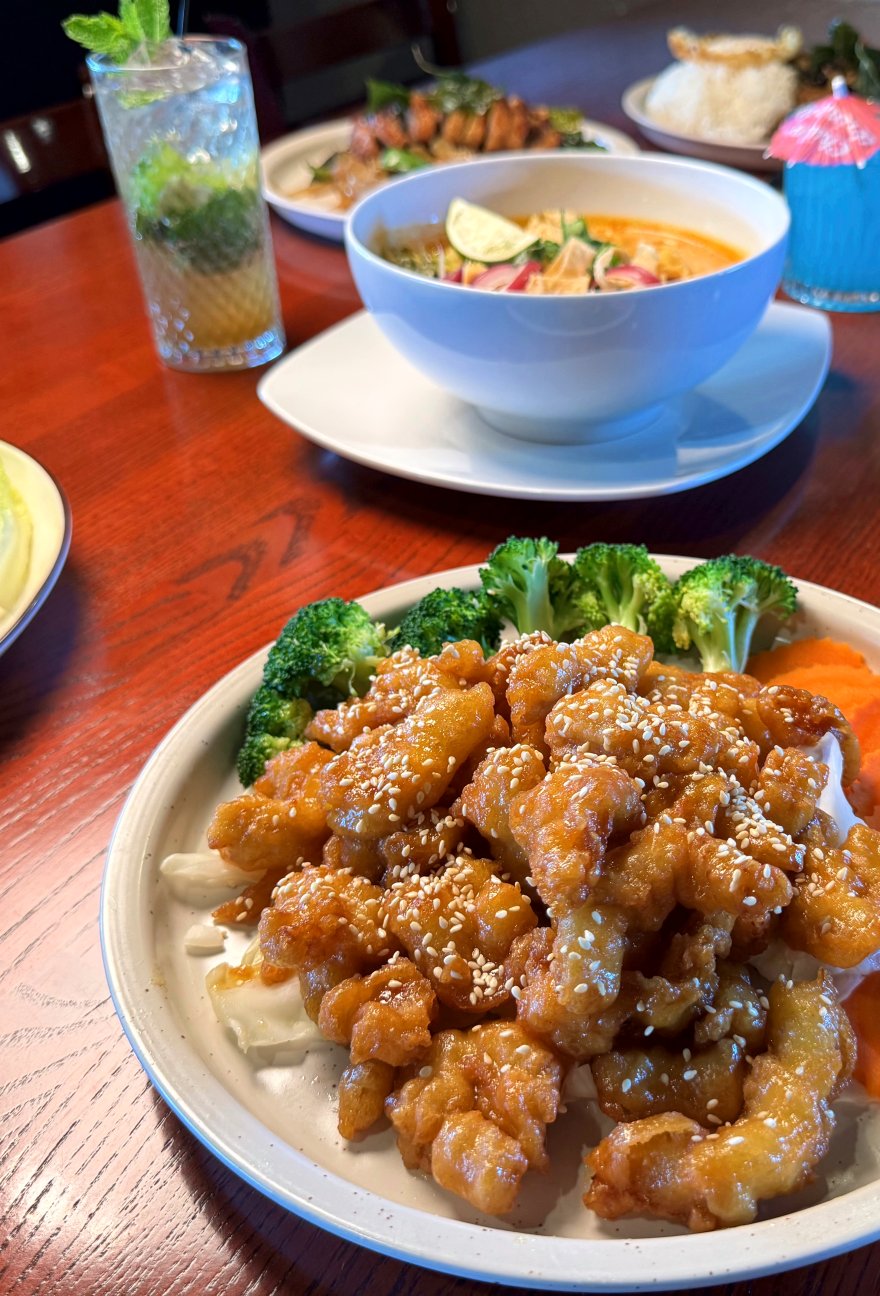
The first time a plate of drunken noodle really earns your loyalty, it usually happens fast. The server sets it down, and before the plate fully lands, the aroma reaches you, garlic first, then basil, then that unmistakable heat rising from fresh chili. The noodles are wide and glossy, folded over ribbons of egg, vegetables, and protein, with edges that look lightly charred from a ripping-hot wok. One bite tells you what the menu description never quite can. This is not a shy dish.
If you have ever searched for Drunken Noodles Near Me, you were probably looking for more than just lunch. You were looking for a meal with backbone, a Thai classic that feels generous, savory, spicy, and deeply satisfying in a way many takeout dishes do not. Pad kee mao, commonly called Drunken Noodle, has that effect. It can scratch the same itch as spicy pasta, stir-fried comfort food, or late-night noodles, but it still tastes distinctly Thai. That balance is a big reason it deserves a standing spot on your restaurant shortlist.
What drunken noodle actually is
Despite the name, there is typically no alcohol in drunken noodle. The story behind the name shifts depending on who you ask. Some say it is the kind of spicy, bold dish that pairs well with drinking. Others claim it is the sort of meal a hungry person might improvise after a night out. Neither explanation matters much once the plate is in front of you.
At its core, drunken noodle is a stir-fried noodle dish built around wide rice noodles, soy-based sauces, garlic, chili, Thai basil, vegetables, and a protein such as chicken, beef, pork, tofu, or shrimp. In stronger kitchens, the noodles pick up a little smoky wok hei, that elusive seared flavor that comes from intense heat and speed. That detail matters more than many diners realize. Without it, drunken noodle can taste merely saucy. With it, the whole dish gains depth.
A proper version should hit several notes at once. It should be savory, but not flat. Spicy, but not punishing unless you ask for that. Slightly sweet in the background, often from a touch of sugar balancing the salt and heat. Herbal from basil. Soft from the noodles, yet not mushy. It is one of those dishes where texture and aroma carry as much weight as spice.
Why people keep coming back to it
Some dishes are admirable. A few are craveable. Drunken noodle belongs in the second category.
Part of the appeal is the width of the noodle itself. Thin noodles absorb sauce quickly, but wide rice noodles hold sauce in a different way. They fold, drape, and cling. You get a little sauce on the surface, a little in the creases, and enough body that the noodle still tastes like something on its own. That makes every bite feel substantial.
The second draw is contrast. The basil lifts the heavy savory base. Fresh chilies or chili paste bring sharpness rather than just background heat. Vegetables like bell peppers, onions, and broccoli or Chinese broccoli add crunch and slight bitterness. If there is scrambled egg worked through the noodles, it softens the edges. When the kitchen gets the ratio right, the dish never feels one-note.
There is also a practical reason it wins people over. Drunken noodle tends to be more flexible than many menu staples. It can be made milder for someone who is spice cautious, or much hotter for the diner who wants the full experience. It works with tofu just as well as it does with sliced beef. It is hearty enough for dinner but quick enough for takeout. Few dishes travel perfectly, but drunken noodle holds up better than a lot of fried foods and more delicately dressed salads.
The difference between drunken noodle and pad thai
A surprising number of people search for Drunken Noodles Near Me when what they really know is that they want Thai noodles, just not pad thai again. That instinct makes sense. Pad thai is widely available, familiar, and often the default order. Drunken noodle appeals to people who want something with more punch and less sweetness.
Pad thai usually leans on tamarind, sweetness, crushed peanuts, and a tangy finish. Drunken noodle is darker, more savory, more basil-forward, and often more aggressive with heat. It feels less composed for broad appeal and more built for appetite. Pad thai can be delicate when done well. Drunken noodle should feel bigger and bolder.
There is also a textural difference. Pad thai often uses thinner rice noodles and can read as springy and light. Drunken noodle should have some chew and weight. When the noodles are fresh rather than dried, the effect is even better. You get those broad, slippery sheets that catch the sauce and create the signature forkful or chopstick lift most regulars are after.
If pad thai is the crowd-pleaser, drunken noodle is often the diner’s dish, the one you graduate to once you start paying attention to how a Thai kitchen handles heat, sear, basil, and balance.
What to look for when ordering it
Not every version is worth the search. A menu can say drunken noodle and still deliver a plate that is too sweet, too oily, or too timid. The strongest versions have a few clear signs.
- The noodles should look glossy, not drowned.
- Basil should be visible and fragrant, not an afterthought.
- Vegetables should still have some bite.
- The dish should carry heat with flavor, not just raw pain.
- A little char or sear is a very good sign.
That last point separates average from memorable. A skilled wok cook cooks fast and hot enough to leave slight caramelization on the noodles and vegetables without scorching them. You taste that immediately. It adds dimension and keeps the sauce from feeling heavy.
Why restaurant style matters so much with this dish
Some Thai dishes are forgiving. Curry can hold while a server runs another plate. Soup can wait a few minutes on the pass. Drunken noodle is less forgiving because the quality depends on timing. Rice noodles can overcook quickly. Basil loses freshness if it sits too long. Stir-fried sauces turn gummy if they are left to steam in a container.
That is why a good local Thai restaurant can completely change your opinion of the dish. A place with a seasoned wok station and strong turnover tends to serve a livelier, more aromatic plate. The noodles arrive supple, the vegetables still defined, the sauce evenly distributed. At weaker spots, the noodles clump, the oil separates, and the basil disappears into the background.
This is one reason local recommendations matter more than star ratings alone. A restaurant may have excellent curry and still make only a mediocre drunken noodle. If you are specifically craving Drunken Noodles Near Me, it helps to read reviews with narrow attention. Look for mentions of noodle texture, spice level, basil, portion balance, and consistency across visits.
The spice question that trips people up
Many diners underestimate how differently Thai restaurants interpret spice levels. A mild at one place can be medium somewhere else. A five out of five can mean anything from comfortable warmth to a genuinely sweaty meal. Drunken noodle is one of those dishes where asking the right question can save your dinner.
If you like spice but do not know the kitchen, asking for medium often gives you a safer baseline. You can always go hotter next time. If you want authentic heat, it is better to say so plainly and ask how the restaurant defines its levels. Good servers usually know whether their kitchen plays conservative or not.
There is another layer here. Heat should not erase flavor. A great drunken noodle uses chili to sharpen and energize the dish, not to flatten it. When everything is just blisteringly hot, you lose the garlic, basil, soy depth, and subtle sweetness that make the plate complete. The best versions leave you with a warm, lingering burn and a clear memory of the flavors underneath.
Protein changes the dish more than people expect
One reason drunken noodle keeps a wide audience is that it shifts character depending on what you add. Chicken is the safe middle ground, easy to like, relatively lean, and good at taking on sauce. Beef gives the dish more richness and can pair especially well with the dark, salty base. Pork brings a little sweetness. Shrimp adds delicacy, though it can be overcooked if the kitchen is rushed. Tofu, when handled correctly, does more than fill space. It absorbs sauce beautifully and offers contrast against the chew of the noodles.
Duck sometimes appears on more expansive menus, and when it does, the dish can feel almost luxurious. The fat from the duck mingles with the sauce and reinforces the char from the wok. That said, heavier proteins can make the plate feel dense if the kitchen is too generous with oil.
This is one place where regulars develop loyalties. One restaurant might do a superb chicken drunken noodle because the wok cook keeps the vegetables crisp and the sauce light. Another may be better with beef because the slices are marinated well and seared hard. It is worth trying your preferred local spot more than once before deciding what your ideal order is.
Fresh noodles versus dried noodles
If you have ever had two plates of drunken noodle that seemed almost like different dishes, noodle type may be the reason. Fresh wide rice noodles have softness and elasticity that dried noodles rarely match. They also blister and brown more attractively in a hot wok. Dried noodles can still be good, especially in places far from specialty suppliers, but they tend to have a slightly firmer, more uniform bite.
That may sound like a small distinction. It is not. Noodle texture shapes the entire meal. Fresh noodles give the dish that loose, folded, almost silky quality people remember. Dried noodles can produce a cleaner, more structured bite, but they are easier to overhydrate or overcook.
If you are comparing local Thai spots and one consistently serves supple, wide noodles with a little sear at the edges, that place has an advantage right away.
Why it works so well for takeout, with one catch
Drunken noodle is often a smart takeout order because it travels better than dishes that depend on crisp coatings or delicate herbs. The sauce protects the noodles from drying out, and the flavors remain assertive even after a drive home. It also reheats reasonably well, which cannot be said for every noodle dish.
Still, there is a catch. Steam is the enemy of texture. Leave the container sealed too long and the noodles soften further, the vegetables lose snap, and the basil turns muddy. If you are bringing it home, opening the lid for a minute or two helps excess steam escape. If you reheat leftovers, a skillet often does a better job than a microwave because it restores a little edge and prevents the center from turning gummy while the corners dry out.
Some dishes fade overnight. Drunken noodle often stays respectable the next day, especially if the original version was not overly sweet or oily. That alone gives it practical value for busy diners who want a dinner that can pull double duty as tomorrow’s lunch.
How to tell whether a restaurant makes a good one
If you are trying a new Thai restaurant for the first time, drunken noodle is actually a useful benchmark. It reveals a lot about the kitchen. Sauce balance, heat control, wok technique, and ingredient freshness all show up clearly on one plate.
A promising order usually has a smell you notice before the first bite. Basil should come through distinctly. Garlic should smell cooked, not raw and harsh. The sauce should coat, not pool. If the noodles have fused into a single soft mass, the dish sat too long or was overhandled. If every bite tastes mainly sweet soy, the kitchen may be aiming for broad familiarity instead of depth.
Here are a few practical signs of a strong version when it hits the table:
- A visible mix of chili, basil, noodles, and vegetables in each serving scoop
- Little pockets of caramelization or sear
- Enough moisture to stay silky, but not enough to leave sauce at the bottom
- Protein cooked separately enough to keep its own texture
- A finish that tastes herbal and savory, not greasy
These details sound fussy until you compare a good plate to a mediocre one. Then they become obvious.
The role of Thai basil, and why substitutes matter
Basil is not decorative in drunken noodle. It is structural. Thai basil has a sturdier texture and a more assertive flavor than sweet Italian basil, often with a faint licorice or peppery note. That aroma cuts through the soy-heavy sauce and keeps the dish from feeling flat. Without enough basil, drunken noodle can taste like generic stir-fried noodles with chili.
Restaurants sometimes substitute when supply is tight. You can still get a pleasant plate, but the character changes. Sweet basil softens the profile. It makes the dish greener in aroma but less sharp. If you order drunken noodle regularly, you can usually tell when the basil changed. It is one of the reasons a dish that looks right on paper may taste only half-right in practice.
Why it appeals to both beginners and serious Thai food fans
A lot of Thai dishes are loved either because they are accessible or because they are deeply specific. Drunken noodle manages to be both. For newer diners, it offers immediate comfort. Noodles are familiar. Stir-fry is familiar. The savory sauce and customizable protein feel easy to approach.
For people who eat Thai food often, the dish becomes interesting for another reason. Its simplicity exposes the skill of the kitchen. There is nowhere to hide. Basil quality, noodle handling, sauce restraint, wok heat, and spice judgment all sit in plain view. That makes it a dish enthusiasts return to again and again, not because it is complicated, but because a really good version is hard to fake.
This dual appeal explains why searches for Drunken Noodles Near Me tend to come from all kinds of diners. Some want a first step beyond pad thai. Others already know exactly what they are chasing and can describe the smell of the right plate from memory.
Pairing it with the rest of your order
If you are dining in, drunken noodle does not need much help. It is already bold and filling. Still, the right supporting dishes can round out the meal. A bright papaya salad can cut through the richness if you enjoy sharp, sour flavors. Crispy spring rolls add crunch without stealing the spotlight. A cooling Thai iced tea can soften the heat, though some diners prefer plain water so they can better taste the basil and chili.
If you are ordering for a group, drunken noodle plays nicely alongside curry and soup because it offers a dry, stir-fried contrast to saucier dishes. That variety matters on the table. Too many heavy coconut curries can blur together. A plate of spicy noodles resets the rhythm of the meal.
Making sense of price and portion size
In many markets, drunken noodle sits in a comfortable middle zone for Thai restaurant pricing. It is usually more affordable than specialty seafood dishes and often similar in price to pad thai or fried rice with protein. Portion sizes vary widely. Some places send out a plate that can easily feed two lighter eaters. Others serve a tighter portion with a more balanced ratio of vegetables and protein.
Bigger is not always better here. Oversized servings can mean too many noodles, too much oil, and not enough basil or vegetables. The best value comes from a portion that feels generous but still proportionate, where the noodles do not overwhelm the rest of the ingredients.
If you are comparing restaurants, consistency is worth paying for. A place that charges a dollar or two more but reliably nails texture and flavor will usually be the better buy than a cheaper shop with heavy, sweet, uneven stir-fries.
The search is worth it
There are plenty of dishes that look better on menus than they taste on the plate. Drunken noodle is not one of them when it is made well. It earns its popularity honestly, through flavor, texture, https://www.google.com/maps?cid=10337779433515689724 heat, and the kind of savory satisfaction that keeps you thinking about the next order before the current one is finished.
That is why the phrase Drunken Noodles Near Me shows up in so many search bars. It is not random curiosity. It is the language of a specific craving. People want something fast, filling, aromatic, and alive with contrast. They want noodles with sear, basil with personality, and spice that wakes up the whole dish.
Once you find a restaurant that gets it right, drunken noodle tends to become less of a gamble and more of a dependable favorite. It is the dish you order when pad thai feels too familiar, when fried rice feels too plain, and when you want Thai food that shows both comfort and skill in the same bowl or plate. That is a rare combination, and it is exactly why this dish deserves a place on your list.
Nakhon Luang Thai Kitchen
Address: 805 Village Center Dr, Colorado Springs, CO 80919
Phone number: +17195315175
FAQ About Drunken Noodles Near Me
What makes it drunken noodles?
Drunken noodles, or Pad Kee Mao, get their name from the Thai word khi mao (meaning "drunkard"). They contain no alcohol. The name comes from the idea that the dish is a popular late-night meal to cure a hangover or a great food to eat with a cold beer.
What is the difference between pad see ew and drunken noodles?
While both Pad See Ew and Drunken Noodles use the same wide rice noodles, Pad See Ew is a mild, sweet-savory dish made with dark soy sauce and Chinese broccoli, whereas Drunken Noodles (Pad Kee Mao) are fiery, garlicky, and herbaceous with fresh chilies and Thai basil.
What are traditional drunken noodles?
Traditional drunken noodles, known as Pad Kee Mao in Thai, are a fiery, savory street food stir-fry made with wide flat rice noodles, fresh garlic, lots of hot chilies, meat or tofu, and fragrant holy basil. Despite the name, they contain no alcohol; the dish is traditionally eaten late at night or as a hangover cure because the intense spice helps clear the head.