How to Compare Menus When Looking for Drunken Noodle Near Me
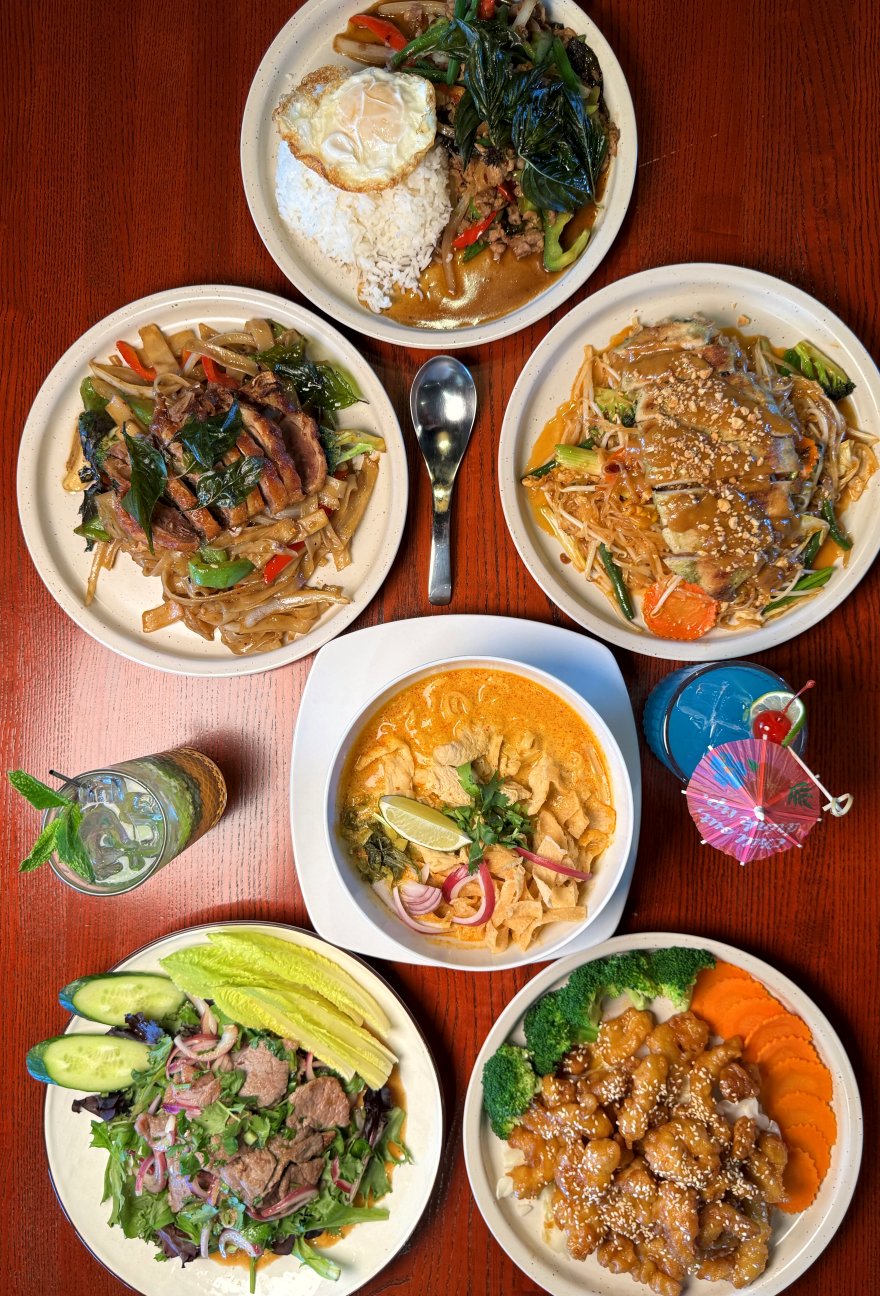
Searching for Drunken Noodles Near Me sounds simple until you open three restaurant menus and realize they all describe the same dish in slightly different ways. One place calls it pad kee mao. Another lists spicy basil noodles. A third offers drunken noodle with a choice of five proteins, four spice levels, and an add-on section long enough to feel like a tax form. If you know what good drunken noodle should taste like, those differences matter. If you do not, it is easy to order a version that is too sweet, too dry, too timid with the basil, or overloaded with vegetables that throw off the balance.
This is one of those dishes that reveals a kitchen quickly. A strong Drunken Noodle has heat, but not just heat. It should carry garlic, soy depth, savory char, tender noodles, and the aromatic punch of Thai basil. It is usually broad rice noodles stir-fried over high heat, often with chilies, onion, bell pepper, and a protein such as chicken, beef, tofu, or shrimp. The best versions arrive glossy rather than greasy, smoky rather than burnt, and bold without becoming muddy.
When I compare menus, I am not just looking for a name and a price. I am reading for clues about technique, ingredient quality, kitchen confidence, and whether the restaurant understands the dish beyond the broad takeout stereotype. A menu cannot tell you everything, but it can tell you more than most people realize.
Start with the dish name, because wording tells you a lot
The first signal is what the restaurant calls the dish. If the menu says “Drunken Noodle,” that is straightforward. If it says “pad kee mao,” that can be an even better sign, especially when the restaurant also uses Thai names consistently across the menu. It suggests the kitchen is writing from the original dish rather than translating everything into generic Americanized terms.
That said, the name alone does not prove quality. I have eaten excellent drunken noodles from restaurants that use plain English labels, and mediocre ones from places with highly traditional spelling. What matters is whether the wording around the dish feels specific. Menus that describe the components clearly tend to reflect kitchens that cook with intention.
A menu line such as “wide rice noodles stir-fried with Thai basil, chili, onion, and bell pepper” gives you actual information. A line that says “spicy noodles with mixed vegetables in house sauce” is less promising. The first tells you the restaurant knows the structure of the dish. The second could mean almost anything.
I pay attention to whether Thai basil is named directly. Basil matters here. Not all basil tastes the same, and the peppery, anise-like edge of Thai basil is part of what makes drunken noodle taste like drunken noodle. If the menu only says basil, that is not an automatic problem, but if it never mentions basil at all, I start asking questions.
The noodle itself should be treated as the main character
Broad rice noodles are one of the defining features of the dish, so the menu should make that clear. Restaurants sometimes swap in thinner noodles, especially if they are streamlining operations or adapting to ingredient supply. Again, that is not always a deal-breaker, but broad noodles hold sauce differently and create the chewy, slippery texture people usually expect.
When comparing menus, look for language such as “wide rice noodles” or “fresh flat rice noodles.” Fresh is a useful word if it is used honestly. Fresh flat rice noodles tend to develop a better texture in the wok, soft but still resilient, with edges that catch caramelization. Dried rice noodles can still produce a good plate, but the result is often less supple.
This matters because drunken noodle is not a delicate noodle dish. It needs surface area. It needs folds and edges that trap sauce. It benefits from noodles substantial enough to stand up to searing heat, chilies, and robust seasoning. If the menu gives no noodle detail at all, and the same restaurant uses identical wording for three or four Drunken Noodles Near Me noodle dishes, that can signal a one-size-fits-all approach.
I once compared two local spots that looked almost identical on review sites. One menu listed pad kee mao with fresh flat rice noodles. The other listed “drunken noodle or lo mein available.” That second line told me everything I needed to know. A kitchen willing to swap lo mein into the dish was probably aiming for convenience over integrity, and the plate tasted exactly that way.
Read the ingredient list for balance, not just abundance
A common mistake when judging menus is assuming more ingredients mean a better dish. Not necessarily. Drunken noodle is strongest when the ingredient list reflects balance rather than clutter. You want enough structure to create contrast, but not so much that every bite becomes random.
The classic vegetable pairing often includes onion and bell pepper, with chilies and basil carrying the aroma and heat. Tomatoes appear in many versions and can work very well, especially in Thai preparations where a bit of acidity helps lift the sauce. Chinese broccoli, green beans, or baby corn may appear in house variations. Those can all be fine if the kitchen keeps proportion under control.
Too many vegetables usually dilute the dish. If the menu reads like a stir-fry catch-all, with broccoli, carrots, cabbage, mushrooms, zucchini, baby corn, snow peas, and onions, I get cautious. That is not because those vegetables are bad, but because they shift the dish toward generic mixed-vegetable noodles. Drunken noodle should taste focused. It should not feel like the refrigerator’s final inventory before delivery day.
Protein choices also matter. Chicken and beef are common. Shrimp can be excellent if the kitchen cooks it carefully. Tofu is often a revealing option, since bad tofu texture can drag down the entire plate. Crispy tofu is not traditional everywhere, but if the restaurant specifically mentions either soft tofu or fried tofu, that tells you they have at least thought about texture.
Menus that let you choose any protein for any noodle dish are convenient, though not always ideal. Some proteins pair more naturally with the sauce and the wok timing than others. Beef benefits from a hard sear and richer savoriness. Chicken works well if sliced thin and cooked quickly. Shrimp can overcook in seconds. Duck, if offered, often points to a more ambitious kitchen, but it can also turn the dish heavy if the sauce is already sweet.
Sauce language can reveal whether the flavor profile is right
This is where menu reading becomes more useful than most diners expect. Restaurants often describe the sauce in just a few words, but those words matter. Drunken noodle should not be sugary. It can carry a slight sweetness, but its center of gravity is usually savory, spicy, aromatic, and a little smoky from the wok.
If the menu emphasizes sweet chili sauce, honey sauce, or “sweet and spicy house glaze,” I become skeptical. That language often points toward a dish aimed at broad takeout appeal rather than the more assertive, savory style that makes pad kee mao satisfying. On the other hand, wording that mentions chili garlic, soy-based sauce, oyster sauce, basil sauce, or wok sauce tends to align better with what I want.
You do need some nuance here. Not every restaurant writes menus with culinary precision. A family-run place can produce superb drunken noodles while describing them in casual, imperfect English. Still, certain patterns show up over time. Menus that understand the dish often mention some combination of chili, garlic, basil, and stir-fry technique. Menus that reduce everything to “house special sauce” make comparison harder.
If you are choosing between several menus, look for the one that seems least interested in hiding behind vague sauce language. Specificity usually signals confidence.
Spice level options are useful, but they can also mislead
Most menus now offer a spice scale. Mild, medium, hot. Sometimes one through five. Sometimes one through ten, which sounds scientific but rarely is. The presence of a spice scale is not a quality marker by itself. It simply tells you the restaurant expects a broad customer base.
The important question is whether the kitchen treats spice as part of the dish or as an add-on. In a strong drunken noodle, the heat is integrated into the sauce and aromatics. It should not taste like a standard noodle plate with extra chili flakes tossed on top. Menus that note fresh chili, bird’s eye chili, chili garlic, or house-made chili paste often suggest a more layered heat.
One practical trick is to compare how the restaurant handles spicy dishes across the menu. If every item from basil fried rice to curry puffs to larb is marked with the same generic chili icon, the spice labeling may be mostly decorative. If the menu includes small distinctions, such as “can be made very hot” or “traditionally spicy,” that shows more awareness.
When ordering from a new place, I usually avoid both extremes. Very mild often leads to a flat dish. Maximum heat can drown subtler flavors, especially if the cook compensates with raw chili rather than deeper seasoning. Medium-hot, or whatever sits just above the middle of the scale, tends to be the best first test.
The menu’s overall Thai section matters more than people think
You are not only judging one dish. You are judging the restaurant’s relationship to its cuisine. A menu with a thoughtful Thai section often produces better drunken noodles than a menu where Thai food is one category folded into a giant pan-Asian spread.
That does not mean fusion is bad. Some blended kitchens do excellent work. But when a restaurant serves sushi, pho, pad thai, orange chicken, ramen, poke, and drunken noodles from the same line, specialization becomes harder. The wok station may still be competent, though the odds of a focused, high-quality pad kee mao are lower.
I look at neighboring dishes for clues. If the menu includes pad see ew, basil fried rice, larb, papaya salad, and a few curries, that is encouraging. It suggests the restaurant keeps ingredients like Thai basil, fish sauce, chilies, and wide rice noodles in regular rotation. If drunken noodle appears as the lone Thai noodle entry in a menu dominated by teriyaki and tempura, it may be there because customers expect it, not because the kitchen particularly cares about it.
Here is a short checklist I use when comparing menus:
- Does the dish mention wide rice noodles or flat rice noodles?
- Is Thai basil, or at least basil, named clearly?
- Does the ingredient list feel focused rather than overloaded?
- Is the sauce described in savory, spicy terms rather than sweet ones?
- Does the rest of the menu suggest real familiarity with Thai cooking?
If a restaurant hits four out of five, I am interested. If it misses three, I keep looking.
Price tells a story, but only if you read it in context
A cheap drunken noodle can be a bargain or a warning. An expensive one can reflect quality ingredients or inflated delivery pricing. Menu comparison works best when you read price alongside portion size, protein options, and market conditions in your area.
In many cities, there is a normal band for this dish, especially for lunch versus dinner. A few dollars below the local average can indicate a smaller portion, lower-cost ingredients, or a restaurant trying to compete aggressively on takeout apps. A few dollars above average may make sense if the place uses better beef, larger shrimp, or fresh noodles. It may also simply be the app markup.
The problem is assuming price equals quality. Some of the best drunken noodles I have had came from modest strip-mall restaurants with restrained pricing and excellent wok skill. They saved money on décor and spent effort where it mattered. By contrast, I have paid premium prices for photogenic but flat-tasting versions in trendy dining rooms where the noodles arrived slick with oil and short on basil.
When comparing menus, note whether protein upgrades are reasonable. If shrimp or beef adds a small, sensible amount, that feels normal. If each swap drives the dish into specialty-entrée territory, I start wondering whether the base price is artificially low and the real cost is hidden in customization.
Customization can improve your order, or wreck the balance
Modern menus invite customization, which is useful if you know what you are changing. The trouble is that drunken noodle relies on proportion. Too many modifications can break that proportion fast.
Extra basil is usually a smart add if offered. Extra vegetables is fine if the base portion seems sparse. Extra sauce can help if a restaurant tends to under-sauce noodles for takeout, though too much can turn the dish soupy by the time it arrives. Substituting brown rice noodles, zucchini noodles, or other alternatives may fit dietary needs, but at that point you are no longer getting a standard drunken noodle experience.
Be cautious with blanket modifications like “no onion, no pepper, no spice.” You might remove the very elements that give the dish shape. If you need a milder option, it often makes more sense to ask for lower heat than to strip out aromatics entirely.
I have also learned to treat “add pineapple” and similarly sweet mix-ins as a sign that a restaurant may be steering the dish away from its natural profile. Some customers enjoy those additions, and that is fine, but they should register as house deviations rather than improvements.
Photos help, but they can flatter weak menus
When you search Drunken Noodles Near Me, photos often drive the decision. They should not be ignored. You can learn a lot from seeing noodle width, vegetable ratio, basil visibility, and whether the dish looks glossy or dry. Still, photos need to be interpreted carefully.
A good drunken noodle often looks a little messy in the best way. The noodles may be folded over each other, with charred edges and uneven darkening from the wok. Basil leaves can wilt into the noodles rather than sitting decoratively on top. Chilies may be visible, but not staged. A plate that looks too neat can signal under-stir-frying or a focus on appearance over flavor.
Delivery photos, especially customer-uploaded ones, are often more useful than studio images. They show what the dish actually looks like after traveling fifteen or twenty minutes. That matters because drunken noodle can suffer in transit. A version that is excellent in-house may clump, steam, or over-soften in a closed container. If customer photos consistently show broken noodles, watery pooling, or a pale, under-sauced appearance, I take that seriously.
Reviews are most useful when you filter for specifics
Menu comparison gets much stronger when you pair it with selective review reading. Not all reviews deserve equal weight. “Amazing food” tells you almost nothing. “Too spicy” may mean the restaurant got it right. What you want are comments that mention texture, basil, heat balance, wok char, sweetness, and noodle quality.
I look for repeated patterns rather than isolated praise. If several reviewers mention that the drunken noodle is smoky, generously portioned, and balanced, that is meaningful. If multiple people describe it as oily, too sweet, or oddly bland, that matters too. One review can be noise. Five similar reviews usually are not.
A few review details deserve extra attention:
- whether the noodles arrived stuck together
- whether the sauce was described as sweet or savory
- whether basil and chili were noticeable
- whether dine-in and takeout experiences differed
- whether the spice level matched the request
These details turn reviews into something practical rather than emotional.
Watch for signs of wok cooking, even in menu language
Drunken noodle is a wok dish. The best versions carry some element of high-heat searing, even if the menu never uses the term wok hei. You can sometimes detect that the kitchen values this style from the way it describes stir-fried items more broadly.
Menus that highlight “stir-fried over high heat,” “wok-tossed,” or “pan-seared noodles” are often signaling technique, not just ingredients. Again, this is not a guarantee. Marketing language exists everywhere. Still, restaurants that think in terms of texture and heat tend to produce stronger noodle dishes than restaurants that only list ingredients.
If a menu also distinguishes between soup noodles and stir-fried noodles clearly, that is a positive sign. It means the noodle station is probably not treating every format the same way.
House style matters, and there is room for variation
One reason this dish can be tricky to compare is that there is no single universal version. Some restaurants lean drier and smokier. Some lean saucier. Some include tomato. Some use more garlic. Some make the basil more pronounced. A good house style is not a problem. In fact, it can be the reason a restaurant stands out.
The key is whether the variation feels deliberate. A chef may push the dish in a slightly sweeter direction to complement intense heat. Another may use more fresh chili and keep the sauce restrained. Another may emphasize char and basil with fewer vegetables. Those are all legitimate choices when handled well.
What usually disappoints is not variation but vagueness. If the menu gives no clue what kind of drunken noodle the kitchen is making, and the reviews suggest inconsistency, you are taking a bigger gamble.
How I make the final call between two similar menus
When two menus look close, I rely on a simple hierarchy. First, I choose the menu that specifies the noodles and basil. Second, I favor the one whose ingredients seem disciplined rather than crowded. Third, I look at the surrounding Thai dishes for evidence that the kitchen really cooks from that pantry. Fourth, I check recent customer photos. Fifth, I weigh price and delivery distance, because even a great plate can suffer if it rides around town for forty minutes.
That last point is worth stressing. If you are deciding between a very good restaurant twenty-five minutes away and a slightly less promising one ten minutes away, the closer option may win for takeout. Drunken noodle is forgiving compared with some fried foods, but it still loses texture as it sits. Noodles absorb top drunken noodles spots sauce. Steam softens vegetables. Basil dulls. Sometimes the best menu on paper is not the best order in practice.
A smart local eater learns which restaurants travel well and which should be enjoyed fresh from the pan. A drier, smokier style often holds up better in transit than a wetter, sweeter version. The menu alone will not tell you that, but over time you start connecting those dots.
Finding good Drunken Noodles Near Me is less about chasing the highest star rating and more about reading menus like a cook reads a prep list. Names, noodle type, basil, sauce language, vegetable restraint, spice framing, and the company the dish keeps on the menu all reveal something. Once you know how to compare those signals, the search gets easier, and your odds of landing a plate with real character go up fast. The best drunken noodle does not just satisfy a craving. It announces, in one hot, aromatic bowl, that the kitchen knows exactly what it is doing.
Nakhon Luang Thai Kitchen
Address: 805 Village Center Dr, Colorado Springs, CO 80919
Phone number: +17195315175
FAQ About Drunken Noodles Near Me
What makes it drunken noodles?
Drunken noodles, or Pad Kee Mao, get their name from the Thai word khi mao (meaning "drunkard"). They contain no alcohol. The name comes from the idea that the dish is a popular late-night meal to cure a hangover or a great food to eat with a cold beer.
What is the difference between pad see ew and drunken noodles?
While both Pad See Ew and Drunken Noodles use the same wide rice noodles, Pad See Ew is a mild, sweet-savory dish made with dark soy sauce and Chinese broccoli, whereas Drunken Noodles (Pad Kee Mao) are fiery, garlicky, and herbaceous with fresh chilies and Thai basil.
What are traditional drunken noodles?
Traditional drunken noodles, known as Pad Kee Mao in Thai, are a fiery, savory street food stir-fry made with wide flat rice noodles, fresh garlic, lots of hot chilies, meat or tofu, and fragrant holy basil. Despite the name, they contain no alcohol; the dish is traditionally eaten late at night or as a hangover cure because the intense spice helps clear the head.